
A GLAMOROUS JOURNEY
 For decades, Chicago’s Bronzeville neighborhood was the center of African American business and culture. Famous artists, entertainers, doctors, and business owners have called Bronzeville home. In a society latent with racism and hostility to the Black community, the neighborhood was a safe haven for African Americans seeking a better life for themselves and their families. However, Bronzeville was not only a vibrant Black community, it was an incubator for gifts for all society.
In 1916, African Americans began fleeing the South for a better life, one without oppression and segregation. However, upon arriving in Chicago, Blacks experienced the same injustices they had just left. Bronzeville provided an isolated area for African Americans to live and work together. New Bronzeville residents cooperated and worked diligently to establish a community, complete with businesses, culture, and institutions, without the racial restrictions Blacks had experienced everywhere else. The community grew and flourished through the years, creating success stories in all areas, and earned the neighborhood the “Black Metropolis” nickname.
RENOWN LOCALES

Binga Bank, founded by Jesse Binga, was Chicago’s first Black-owned life insurance, realty, and financial institution. The two prominent daily African American newspapers, the Chicago Defender and Chicago Bee, published out of Bronzeville. Venues such as the Savoy Ballroom, the Regal Theater, and the Sunset Cafe were huge cultural influences to the Black community. The Savoy and Regal were just one block from The Bronzeville Vincennes
TRAIL BLAZERS AND STARS
 Given the pomp and magistery of Bronzeville’s nightclubs and entertainment halls, the area attracted the world’s greatest entertainers, especially in the Blues and Jazz arenas. Some of the nation’s greatest entertainers emerged from the Bronzeville area. Nat King Cole, Sam Cook, Dinah Washington, Louis Armstrong, Quincy Jones, Herbie Hancock, and Cahterine Dunham all called Bronzeville home at some point. Without question, the Chicago Blues movement had a profound impact on not just Blues, but also the later development of R&B and Rock n Roll.
Although most known for its musical royalty, Bronzeville also helped nurture the excellence and genius of individuals in other areas as well. Civil Rights pioneer Ida B. Wells, who although born into slavery in Mississippi, would escape persecution in the South to become one of the leading voices in the women’s suffrage and anti-segregation movements from her family’s home just a block and a half from The Bronzeville Vincennes. Pulitzer Prize Winning Poet Gwendolyn Brooks, one of the nation’s most important 20th-century poets, lived and wrote extensively from Bronzeville.
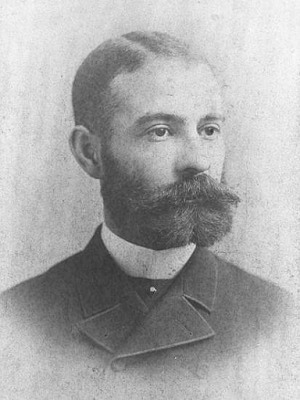
In perfect harmony with Bronzeville’s trailblazing reputation, in 1891, Dr. Daniel Hale Williams established Provident Hospital–just two blocks from The Bronzeville Vincennes–in order to address the fact that African American physicians were not permitted to practice in most existing hospitals. Although the hospital was created to address the systematic racism in the health profession at the time, Provident Hospital served people of all races. Not just an institutional visionary, Dr Williams was a highly skilled physician, who, just two years after opening Provident Hospital, performed the first successful heart surgery in the United States.
REVITALIZATION
Today, Bronzeville is experiencing a revitalization, determined to redevelop the economic and cultural opportunities of its prominent past. Restored buildings and housing, e.g., The Bronzeville Vincennes, offer new hope and opportunities for all. The neighborhood’s history, landmarks and revitalization are all important elements of what makes Chicago one of the nation’s great Cities, and Bronzeville one of the nation’s most storied and important neighborhoods.